
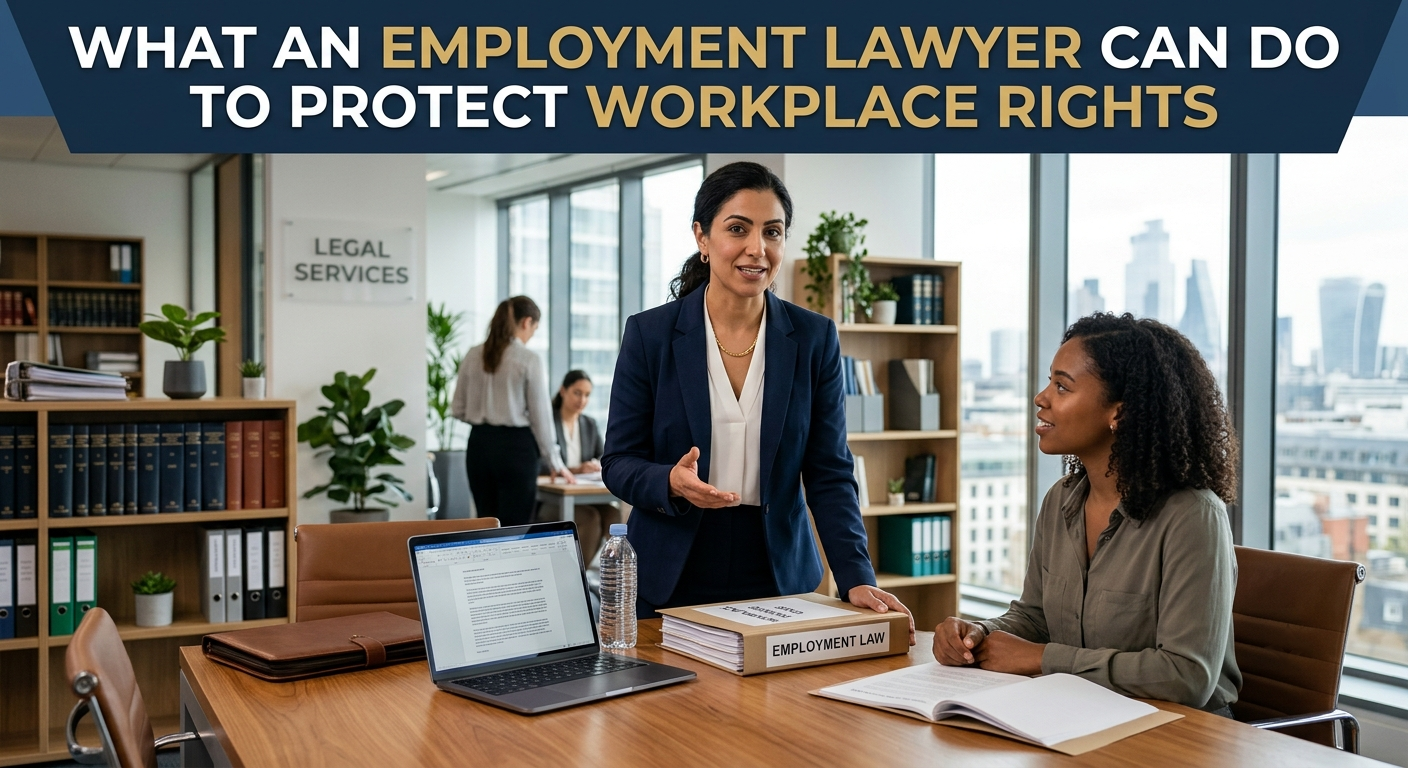
Los Angeles, California, is home to one of the nation’s largest and most diverse workforces, with employees contributing across industries ranging from entertainment and technology to healthcare, transportation, and hospitality. In a city where millions rely on their jobs to support themselves and their families, workplace rights play a vital role in maintaining fair treatment and accountability. Yet employment disputes can arise in any setting, whether involving unequal treatment, denied benefits, unpaid wages, retaliation, or wrongful job loss.
California’s employment laws provide broad protections, but understanding how those protections apply to a specific situation is not always straightforward. Workers are often left questioning whether an employer’s actions cross a legal line or simply reflect workplace policy. During these moments, informed legal guidance can provide clarity and direction. An employment lawyer at Omega Law Group can help employees understand their position under the law, evaluate potential violations, and determine the most appropriate path forward. Understanding the role of legal counsel is an important first step toward protecting workplace rights.
Early Legal Review
Early review starts with ordinary records: pay stubs, shift notes, texts, warnings, leave forms, and sudden schedule changes. An employment lawyer can test those details against state and federal rules, identify missed claims, explain filing windows, and help a worker decide whether to report, negotiate, or file.
Wrongful Termination
At-will employment gives employers broad discretion, but it does not permit unlawful firing. Termination may be illegal if tied to discrimination, retaliation, protected leave, whistleblowing, or refusal to break the law. A lawyer studies timing, reviews, emails, policy records, and witness accounts. That comparison can expose pretext, meaning the stated reason masks an improper motive.
Discrimination Claims
Discrimination can affect hiring, pay, training, promotions, assignments, discipline, and discharge. Protected traits include race, age, sex, disability, religion, pregnancy, sexual orientation, and gender identity. Legal review brings order to events that may feel personal or scattered. A lawyer may compare coworkers, examine performance history, request policy records, and connect unequal treatment to protected status.
Harassment at Work
Harassment becomes a legal concern when offensive conduct creates a hostile setting tied to protected traits. It may include slurs, threats, unwanted sexual comments, degrading remarks, or repeated intimidation. A lawyer weighs frequency, severity, management notice, and the employer’s response. Careful advice can also help workers report misconduct with precise language and preserve proof.
Wage and Hour Issues
Pay violations often hide in routine payroll practices. Common issues include unpaid overtime, missed meal periods, denied rest breaks, off-the-clock tasks, and inaccurate wage statements. Minor shortages can become substantial losses across months or years. An employment lawyer reviews time entries, schedules, pay data, duties, and classification. That review may show underpayment, misclassification, or denied compensation.
Retaliation Protection
Retaliation can follow a harassment report, a wage complaint, a leave request, an accommodation request, or a disclosure of unlawful conduct. Warning signs include sudden write-ups, reduced hours, worse shifts, exclusion, demotion, or termination. A lawyer builds a timeline from the first protected act through each adverse change. Strong claims often depend on sequence, consistency, and documented contrast.
Leave and Accommodation
Medical leave, family care leave, pregnancy leave, and disability accommodations carry important protections. Employers may violate those rights by denying time off, delaying responses, demanding improper proof, or punishing protected absences. A lawyer can explain available protections and assess whether the employer met its duties. Legal guidance also helps workers request reasonable accommodations with clear wording and supporting records.
Evidence and Deadlines
Employment cases depend on documents, dates, and credible witnesses. Useful proof may include pay stubs, schedules, text messages, emails, reviews, handbooks, complaints, and the names of coworkers who witnessed the events. Deadlines matter because some claims require agency filings before the court can take action. A lawyer can preserve records, track filing windows, and prevent mistakes that weaken valid claims.
Negotiation and Claims
Many workplace disputes get resolved before trial, but preparation still matters. A lawyer can calculate losses, draft demand letters, answer employer defenses, and negotiate settlement terms. Possible recovery may include lost wages, emotional distress damages, penalties, attorney fees, or policy changes. If negotiations fail, counsel can file with the proper agency or court and prepare the case.
Why Legal Support Matters
Workplace disputes feel personal, yet legal claims require structure and proof. A lawyer turns scattered events into a clear chronology, links facts to statutes, and communicates with the employer or insurer. That work reduces pressure on employees while improving the claim presentation. Legal support keeps the focus on evidence, deadlines, and fair outcomes rather than fear.
Conclusion
An employment lawyer protects workplace rights by clarifying legal options, preserving evidence, identifying claims, and pressing employers to answer for unlawful conduct. That help can address wrongful termination, discrimination, harassment, unpaid wages, retaliation, leave violations, and privacy concerns. Skilled guidance gives workers a steadier footing during a difficult time. With organized records and timely action, employees can seek fair treatment and defend protections that matter to all at work.