The pharmaceutical industry is undergoing a profound transformation, driven by technological advancements, tightening regulations, and a growing focus on patient outcomes. Central to this evolution is pharmaceutical packaging, which is moving far beyond its traditional role of simply containing and protecting medicines. Today, packaging is an active component in ensuring drug safety, improving patient adherence, and supporting supply chain integrity.
For pharmaceutical manufacturers, healthcare suppliers, and packaging procurement managers, staying ahead of these trends is not just advantageous—it is essential for compliance and competitiveness. This article explores the key innovations shaping the future of pharma industry packaging and explains why established materials like glass packaging continue to hold a crucial place in this modern landscape.
The Evolving Pharmaceutical Packaging Landscape
The demands placed on pharmaceutical packaging are intensifying. Regulators are implementing stricter rules to enhance patient safety, requiring more robust tamper-evident features and comprehensive traceability. Simultaneously, there is a significant push towards sustainability, urging companies to adopt more environmentally responsible solutions.
This shifting environment means businesses must view packaging as a strategic asset. The right choices can safeguard products, ensure compliance, and build trust with both patients and providers. As we look forward, several key areas of innovation are set to redefine industry standards.
Digital and Smart Packaging Technologies
The integration of digital technology into packaging is one of the most significant shifts in the sector. Smart labels, QR codes, and Radio-Frequency Identification (RFID) tags are becoming standard tools for enhancing supply chain security and patient engagement.
Benefits of Smart Packaging
These technologies offer powerful benefits for authentication and anti-counterfeiting. A simple scan can verify a product’s origin and confirm it has not been tampered with, providing a crucial layer of security in a complex global supply chain. For patients, smart features can link to dosage reminders, instructional videos, and platforms for reporting adverse effects, directly improving medication adherence and safety.
To prepare, businesses should invest in integrating these digital tracking systems into their operations. This involves not only adopting the new packaging technologies but also ensuring that the backend data management systems are robust enough to handle the information, providing end-to-end traceability.
Sustainable Materials and Circular Packaging Systems
Sustainability is no longer a peripheral concern; it is a core business imperative. The pharmaceutical industry is actively seeking a transition towards recyclable, reusable, and biodegradable materials to minimise its environmental footprint. This has sparked innovation in polymers and bioplastics, but it has also reinforced the value of traditional materials.
The Enduring Importance of Glass Packaging
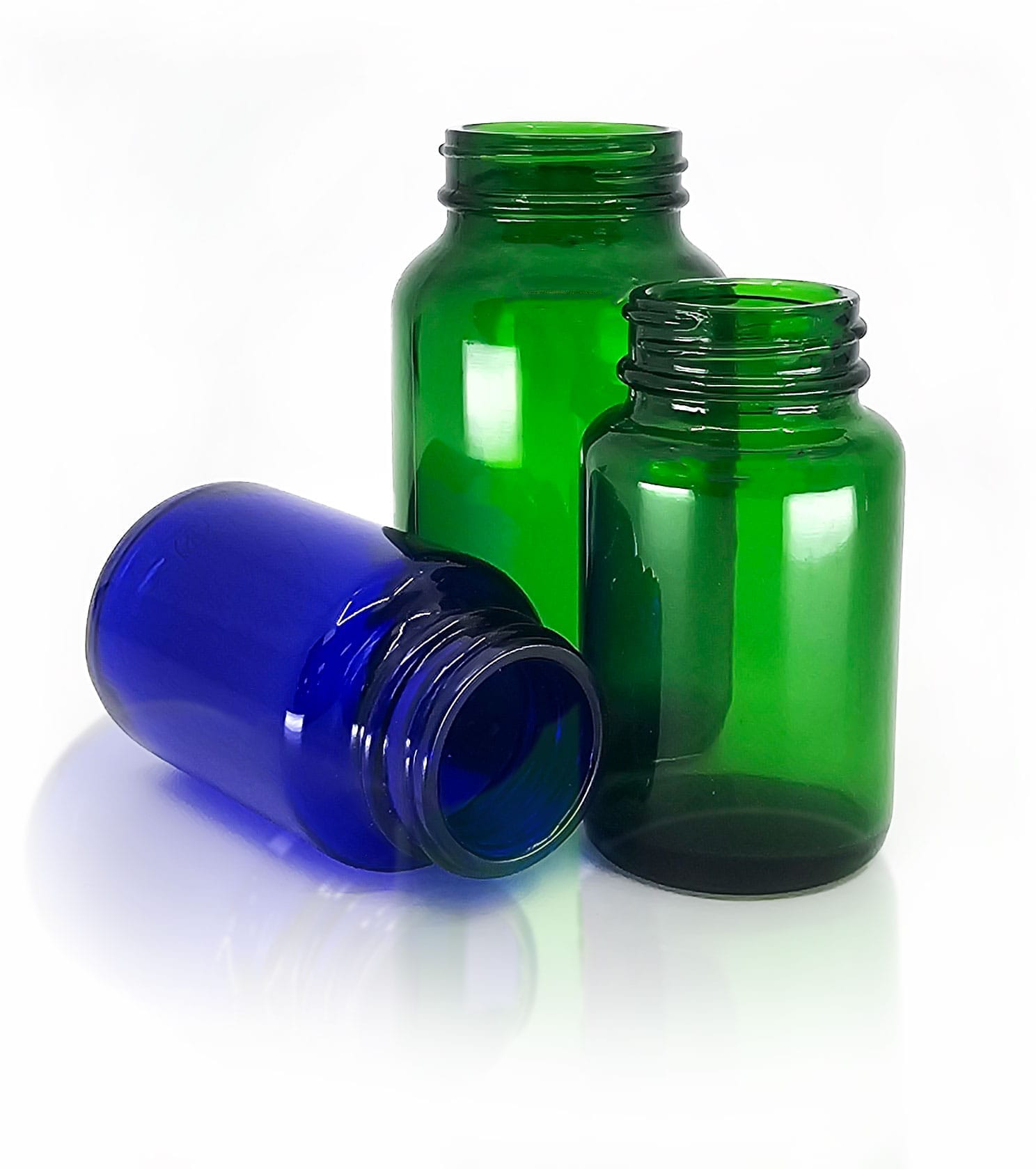
Amid this shift, glass packaging remains a cornerstone of the pharmaceutical industry, and for good reason. Its chemical inertness ensures that it does not react with its contents, preserving the purity and stability of sensitive drug formulations. Glass is also impermeable, protecting products from moisture and gas ingress that could compromise their efficacy.
Furthermore, glass is infinitely recyclable, aligning perfectly with the principles of a circular economy. As companies develop their sustainable packaging strategies, glass provides a reliable and proven solution. In particular, the demand for amber glass bottles is rising. Their ability to block UV radiation is critical for protecting light-sensitive medications from degradation, ensuring they remain safe and effective from production to patient.
Advanced Sterilisation and Contamination Control
Maintaining product sterility comunicação is non-negotiable in pharmaceuticals. Innovations in sterilisation and aseptic filling are continuously advancing to meet and exceed regulatory standards. New methods, such as vapour-phase hydrogen peroxide (VPHP) and electron beam sterilisation, offer greater efficiency and compatibility with a wider range of packaging materials.
These advancements directly influence packaging selection. Materials must be able to withstand modern sterilisation processes without degrading or leaching harmful substances. This is another area where glass excels, as its high thermal and chemical resistance makes it suitable for ऑल of the most rigorous sterilisation techniques. Businesses must stay informed about these evolving technologies to ensure jejich packaging choices remain compliant and effective.
Automation and Robotics in Packaging Lines
Efficiency and accuracy are paramount in pharmaceutical production. Automation and robotics, powered by artificial intelligence (AI), are revolutionising packaging lines. Automated systems can handle repetitive tasks with greater speed and precision than human workers, reducing the risk of errors, minimising contamination, and lowering labour costs.
AI-driven vision systems can inspect packaging for defects at high speeds, ensuring every unit meets quality standards. For businesses to remain competitive, investing in adaptable, future-proof production lines is crucial. These systems should be flexible enough to handle المختلفة packaging formats and scalable to accommodate future growth, making automation a key pillar of modern pharmaceutical manufacturing.
Personalised Medicine and Small-Batch Packaging
The rise of personalised medicine and niche therapeutics is creating new challenges for packaging. Treatments tailored to small patient groups or even individuals require a departure from mass-production models. This trend demands flexible, agile, and customisable packaging solutions that can be produced efficiently in small batches.
This shift has significant implications for inventory management and packaging design. Just-in-time production models are becoming more relevant, and packaging suppliers must be able to respond quickly to orders for unique formats. Digital printing technologies are enabling cost-effective customisation of labels and cartons for small batches, allowing for the specific information required for personalised treatments.
Preparing for a New Era of Packaging
The future of pharmaceutical packaging is dynamic and multifaceted. Success will depend on a company’s ability to navigate the intersecting demands of regulation, sustainability, technology, and patient-centric care.
While embracing new innovations like smart technologies and automation is vital, it is equally important to recognise the enduring value of proven materials. Glass packaging, especially amber glass bottles, will continue to be a critical component in the industry, offering unmatched protection, stability, and sustainability. By balancing forward-looking innovations with reliable solutions, pharmaceutical businesses can build a packaging strategy that is safe, efficient, and ready for the future.